Battery Safety: The Complete Guide
Introduction to Battery Safety
Lithium batteries provide the portable energy that makes modern vaporizers possible, but they also carry specific risks that require attention. Understanding these risks and proper safety practices is essential for all vaporizer users. This guide covers the fundamental aspects of lithium battery safety from basic operation to emergency handling.How Lithium Batteries Work
Basic Principles
Lithium-ion batteries store energy through the movement of lithium ions between two electrodes. The anode, typically made of graphite, stores lithium during charging. The cathode, a lithium metal oxide, takes over during discharge. Between the two electrodes sits an ion-conducting electrolyte that enables ion transport. A thin separator membrane prevents the electrodes from touching directly and causing a short circuit.
Why They Can Be Dangerous
Lithium batteries store considerable energy in a small space. This high energy density carries the potential for rapid, uncontrolled release. The electrolytes used are flammable, and the cells are sensitive to physical damage. If a battery is damaged or misused, it can undergo thermal runaway — a dangerous chain reaction.
Main Risks
1. Thermal Runaway
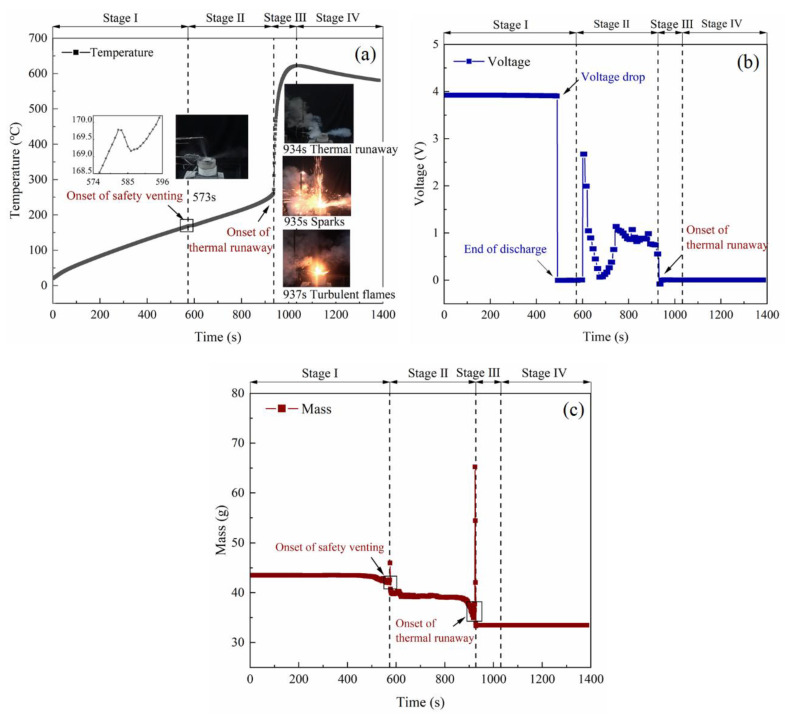
Thermal runaway is a chain reaction where overheating generates progressively more heat. This process is typically triggered by an external or internal short circuit, overcharging, physical damage such as punctures or crushing, exposure to extreme heat, or manufacturing defects within the cell.
The consequences are serious: toxic gases are released, fire can break out, and in extreme cases an explosion is possible.
2. Short Circuits
Short circuits occur when the positive and negative terminals connect directly. The most common causes include damaged wrapping on removable batteries, contact with metal objects like keys or coins, damage to the device itself, and exposure to moisture or liquids.
3. Overcharge and Over-discharge
Overcharging happens with defective or incompatible chargers and can cause swelling, overheating, or even fire. Over-discharge occurs when a cell is drained below its safe voltage threshold. This permanently damages the cells and can make subsequent recharging dangerous.
Essential Safety Practices
Safe Charging
Always use the charger that came with your device or one specifically approved by the manufacturer. Never leave a battery charging unattended, especially overnight or when you leave the house. Charge on a non-flammable surface and keep flammable materials at a distance. Damaged batteries must never be charged. Once the charge is complete, disconnect the device from power.
Safe Storage
Keep batteries and devices away from heat sources and never store them in a car, particularly during summer. Avoid direct sunlight as well. The ideal storage temperature falls between 15 and 25 degrees Celsius. For removable batteries, protective cases that prevent accidental contact between the terminals are recommended.
Safe Transport
Never carry loose batteries unprotected in bags or pockets. Use insulating cases for removable batteries and keep them separate from metal objects. When flying, follow the airline-specific regulations for lithium batteries in luggage.
Regular Inspection
What to Look For
Inspect your vaporizer and batteries on a regular basis. Watch for swelling of the battery or device casing, visible deformation, and discoloration. An unusual smell — whether chemical, sweet, or burnt — is a serious warning sign. If the battery gets noticeably hot during use or charging, or if liquid leaks out, take it out of service immediately.
For Removable Batteries (18650, etc.)
With removable batteries like the common 18650 format, the wrapping deserves special attention. Check it for tears or holes. The insulating ring at the positive terminal must be intact. Look for dents or other physical damage. If the wrapping is damaged, it needs to be replaced right away to prevent short circuits.
Emergency Management
If a Battery Swells
- Stop using immediately
- Do not charge under any circumstances
- Place in non-flammable container
- Take to battery recycling point
- Do not attempt to disassemble
If a Battery Overheats
- Disconnect from charger if charging
- Move away from flammable materials
- Place on non-flammable surface
- Observe from safe distance
- Prepare to evacuate if smoke appears
In Case of Fire
During a lithium battery fire, your own safety takes top priority — evacuate first. Call emergency services immediately, as firefighters carry specialized equipment for these situations. If it is safe to do so, a CO2 or dry chemical extinguisher can be used. Do not use water, since it can worsen a lithium fire. Make sure the area is ventilated because the released gases are toxic.
Regulations and Travel
Airline Restrictions
Most airlines enforce clear rules for lithium batteries. They must generally be carried in hand luggage — checked baggage is off limits. Without special approval, the capacity limit is usually 100 watt-hours. Spare batteries need to be individually protected during transport. Many airlines specifically ask about batteries you are carrying, so declare them truthfully.
Quality Batteries vs Counterfeits
Risks of Counterfeit Batteries
Counterfeit batteries pose a serious safety risk. Their actual capacity often falls well below the advertised value. Protection circuits are frequently missing entirely or work poorly. Since no quality control takes place, the risk of catastrophic failure is significantly higher.
Identifying Genuine Batteries
Purchase batteries exclusively from authorized dealers. If the manufacturer offers authenticity codes, use them to verify your purchase. Be suspicious of unusually low prices. When in doubt, compare the weight and build quality against known reference units.
Responsible Disposal
Never Dispose in Regular Trash
Lithium batteries do not belong in household waste. They can cause fires in garbage trucks, they pollute the environment, and they contain valuable materials that can be recovered and recycled.
Recycling Options
Several paths exist for proper disposal. Municipal recycling points accept lithium batteries. Many electronics stores also offer take-back services. Manufacturers often run their own return programs, and specialized electronic waste recycling centers are another option.
Conclusion
Lithium battery safety boils down to a few simple principles. Use quality equipment from trusted sources and inspect your batteries regularly for damage. Follow safe charging practices and store and transport batteries correctly. Act on warning signs without delay, and dispose of spent batteries responsibly.
With basic attention and common sense, lithium batteries are safe and reliable. Incidents are rare and almost always preventable when these guidelines are followed.
Scientific Sources
- Feng, X. et al. (2018). Thermal Runaway Mechanism of Lithium Ion Battery for Electric Vehicles: A Review. Energy Storage Materials, 10, 246–267. DOI
- Birkl, C. R. et al. (2017). Degradation Diagnostics for Lithium Ion Cells. Journal of Power Sources, 341, 373–386. DOI
Frequently Asked Questions
How do I properly charge my vaporizer battery?
Use the original charger or USB-C with appropriate voltage. Avoid overnight charging and deep discharge below 10%. Ideal storage charge: 40–60%.
When should I replace the battery?
When capacity noticeably decreases, the battery swells, or shows damage. Typical lifespan: 300–500 charge cycles.
Can I bring my vaporizer on a plane?
Vaporizers with lithium batteries belong in carry-on luggage. Most airlines allow batteries up to 100 Wh.