How Fast Does Your Vaporizer Heat Up?
Understanding Vapor Quality: A Comprehensive Guide
Vapor quality is one of the most important factors in the vaporization experience, yet it’s often misunderstood or overlooked. This guide explores what defines vapor quality, the factors that influence it, and how to optimize your setup for the best possible experience.What Defines Vapor Quality?
Vapor quality encompasses several characteristics that together create the overall vaporization experience:- Flavor Profile: The taste complexity and purity of the vapor
- Smoothness: How comfortable the vapor is to inhale
- Density: The visible thickness and substance of vapor clouds
- Potency: The effectiveness of active compound delivery
- Consistency: How uniform the experience is throughout a session
- Temperature: The warmth of the vapor when inhaled
The Science Behind Vapor Production
Vaporization vs. Combustion
Understanding the fundamental process helps appreciate what makes quality vapor: Vaporization: When material is heated below its combustion point (typically 180-220°C for most compounds), volatile compounds are released as vapor without burning the plant matter. This produces clean vapor containing the desired active compounds. Combustion: Above approximately 230°C, plant matter ignites and burns, producing smoke that contains harmful byproducts like carbon monoxide, tar, and carcinogens. This is what vaporization aims to avoid.Compound Release Temperatures
Different compounds vaporize at different temperatures: Low Temperature (160-180°C):- Light, flavorful terpenes
- More cerebral, energetic effects
- Wispy, flavorful vapor
- Best flavor preservation
- Balanced compound release
- Combination of flavor and effects
- Moderate vapor density
- Most versatile setting
- Maximum extraction
- Denser vapor clouds
- More sedative effects
- Less flavor, more throat hit
Factors Affecting Vapor Quality
1. Heating Method
The way your vaporizer heats material significantly impacts vapor quality: Conduction: Direct contact heating produces quick vapor but can lead to uneven extraction and slightly toasted flavor. Material touching the heated surface vaporizes first, sometimes before center material is properly heated. Convection: Hot air passing through material provides the purest flavor and most even extraction. Since material never touches heated surfaces, there’s no risk of burning or uneven heating. This method typically produces the highest quality vapor. Hybrid: Combining both methods balances flavor quality with efficient extraction. The conduction element preheats material while convection provides thorough, even vaporization.2. Temperature Control
Precise temperature control is essential for consistent vapor quality: Fixed Temperature Devices: Simpler devices with preset temperatures offer convenience but limit customization. Quality depends entirely on how well the preset matches your preferences. Variable Temperature: Devices offering temperature adjustment allow optimization for different materials and preferences. Look for accurate temperature sensors and stable heating elements. On-Demand Heating: Devices that heat only when you draw preserve flavor by not continuously cooking material. This typically produces fresher-tasting vapor throughout a session.3. Vapor Path Materials
The materials vapor passes through affect taste and purity: Glass: Completely inert and adds no flavor. Glass vapor paths provide the purest taste and allow visual monitoring of vapor density. However, glass is fragile and can be difficult to clean. Ceramic: Nearly inert with excellent heat retention. Ceramic paths are durable and maintain consistent temperature throughout draws. Medical-Grade Stainless Steel: Durable and safe, though can impart slight metallic taste when new. Quality stainless steel paths are easy to clean and maintain. Food-Grade Silicone: Flexible and durable for tubing. Quality silicone is heat-resistant and adds no flavor, but lower grades may off-gas at high temperatures. Plastics (Avoid): Low-quality plastics in the vapor path can release harmful compounds when heated. Quality vaporizers avoid plastic in any heated areas.4. Material Quality and Preparation
Your starting material has enormous impact on vapor quality: Freshness: Fresh, properly cured material produces better vapor than old, dried-out material. Moisture content affects vaporization efficiency and flavor. Grind Consistency: Medium-fine grinds generally work best, providing adequate surface area without restricting airflow. Too fine can clog screens; too coarse heats unevenly. Moisture Content: Slightly moist material (not wet) vaporizes more efficiently than bone-dry material. However, excess moisture creates harsher vapor and reduces potency. Quality Grade: Higher quality material naturally produces better vapor with more complex flavors and stronger effects.5. Draw Technique
How you inhale affects vapor quality significantly: Draw Speed: Slow, steady draws allow air to heat properly and extract compounds efficiently. Fast draws may cool the air too much, reducing vapor production. Draw Duration: Longer draws give more time for extraction but may heat material unevenly. Finding the right balance takes experimentation. Breath Hold: After inhaling, a brief pause (2-3 seconds) allows absorption. Extended breath holding isn’t necessary and may increase irritation.Optimizing Vapor Quality
Chamber Loading Techniques
For Conduction Vaporizers:- Pack moderately tight for good surface contact
- Fill chamber completely but don’t overstuff
- Stir between draws for even extraction
- Consider using dosing capsules for consistency
- Pack loosely to allow airflow
- Don’t fill completely – air needs space to flow
- Fluffy material works better than compacted
- Consider screen placement for optimal airflow
Temperature Selection Strategy
Flavor-Focused Sessions: Start at lower temperatures (170-185°C) and slowly increase. This extracts delicate terpenes first before moving to heavier compounds. Effect-Focused Sessions: Higher temperatures (195-210°C) extract more active compounds quickly but sacrifice some flavor complexity. Balanced Approach: Start medium-low (180-185°C) for first few draws, then increase gradually. This captures both flavor and effects throughout the session.Maintenance for Quality
Clean equipment produces better vapor:- Clean screens regularly to maintain airflow
- Wipe the chamber after each session
- Deep clean vapor paths weekly
- Replace worn screens and O-rings
- Never use a dirty mouthpiece
Cooling and Conditioning Vapor
Why Cooling Matters
Cooler vapor is smoother and more comfortable to inhale. However, excessive cooling can cause condensation and waste active compounds. The goal is comfortable temperature without excessive loss.Cooling Methods
Extended Vapor Path: Longer paths give vapor more time to cool naturally. Many vaporizers include extended stems or tubes for this purpose. Glass Cooling: Glass beads, balls, or baffles increase surface area and cool vapor effectively. Glass is inert and doesn’t affect flavor. Water Filtration: Running vapor through water cools and filters it significantly. This produces very smooth hits but may reduce flavor intensity and filter some active compounds. Frozen Accessories: Some users freeze mouthpieces or cooling units for extra-cold vapor. This works but may cause excess condensation.Cooling Considerations
- Some flavor compounds condense at lower temperatures
- Water filtration removes some terpenes
- Balance smoothness against flavor loss
- Personal preference varies widely
Vapor Quality by Device Type
Portable Vaporizers
Advantages:- Convenience and portability
- Quick sessions possible
- Modern units rival desktop quality
- Smaller batteries limit session length
- Compact chambers may require technique
- Less cooling options typically
Desktop Vaporizers
Advantages:- Unlimited power for consistent heating
- Larger chambers for group sessions
- More cooling and filtration options
- Often highest vapor quality available
- No portability
- Higher initial cost
- Requires setup time
On-Demand Vaporizers
Advantages:- Freshest possible vapor – no pre-heating
- Perfect for micro-dosing
- No wasted material between draws
- Technique-dependent
- May require learning curve
- First draw may be weak
Recognizing Quality Issues
Signs of Good Vapor
- Clean, pleasant taste reflecting your material
- Visible but not harsh
- Comfortable temperature
- Consistent throughout session
- No burnt or acrid notes
Signs of Problems
Harsh or Burnt Taste: Temperature too high, dirty device, or poor quality material. Weak or No Vapor: Temperature too low, airflow blocked, dead battery, or depleted material. Unpleasant Chemical Taste: New device off-gassing (run burn-off cycles) or inferior materials in vapor path. Inconsistent Density: Uneven heating, poor packing technique, or battery issues.Advanced Techniques
Temperature Stepping
Progressive temperature increase throughout a session:- Start at 170°C for 2-3 draws (best flavor)
- Increase to 185°C for next 2-3 draws
- Move to 200°C for remaining draws
- Optional: finish at 210°C for full extraction
Material Layering
Placing different materials in layers can create unique flavor experiences. Place material requiring lower temperatures on top, higher-temperature material below.Humidity Control
Using humidity packs (like Boveda) keeps material at optimal moisture content for consistent vaporization.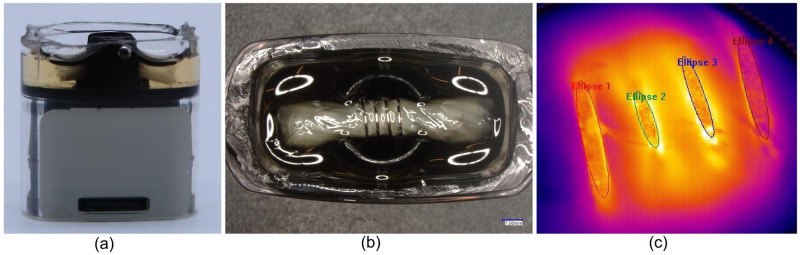
Source: Meehan-Atrash et al. (2022), PLOS ONE, CC-BY 4.0
Conclusion
Vapor quality depends on numerous factors working together: heating method, temperature control, material preparation, device maintenance, and user technique. Understanding these factors allows you to optimize your setup and technique for the best possible experience. The pursuit of perfect vapor is personal – some prioritize flavor, others effects, and many seek balance. Experimentation with different temperatures, techniques, and setups will help you discover what works best for your preferences. Quality vaporization is both an art and a science. With knowledge and practice, you can consistently achieve vapor that satisfies in flavor, smoothness, and effectiveness.Scientific Foundations of Vapor Quality
Thermodynamics of Vaporization
The vaporization of plant material is a complex thermodynamic process. Different active compounds and aromatic substances have different boiling points and therefore vaporize at different temperatures. This property allows experienced users to preferentially release certain compounds through targeted temperature selection. Heat transfer occurs either through direct contact (conduction) or through heated air (convection). In conduction, even heat distribution in the material is crucial – unevenly packed material leads to hot spots and incomplete extraction. Convection devices surround the material with hot air, enabling more uniform heating.Aerosol Physics
The visible “vapor” is technically an aerosol – a suspension of fine particles in air. Particle size affects both visibility and lung absorption. Smaller particles penetrate deeper into the airways, while larger particles are absorbed earlier. Aerosol density depends on several factors: temperature, material moisture, inhalation speed, and device construction. A slow, steady draw typically produces denser clouds than hurried inhalation.Terpenes and Flavonoids
Terpenes are responsible for the aroma and many of the specific effects. They vaporize at relatively low temperatures between 130-180°C. Temperatures that are too high destroy these delicate compounds and significantly reduce flavor quality. Important terpenes and their boiling points: – Myrcene: 167°C – earthy, musky aroma – Limonene: 176°C – citrus aroma – Linalool: 198°C – floral, lavender-like aroma – Caryophyllene: 160°C – peppery, spicy aroma – Pinene: 155°C – pine-like, fresh aromaDegradation and Byproducts
At temperatures above 200°C, thermal degradation of some compounds begins. Byproducts are created that impair taste and are potentially less healthy. At around 230°C, pyrolysis (combustion) begins, which should definitely be avoided. Signs of temperatures being too high: – Harsh, sharp taste – Visible smoke instead of vapor – Dark, burnt material after the session – Unpleasant aftertasteOptimal Conditions for Maximum Quality
Perfect vapor quality requires the interplay of several factors: Material Preparation: Medium-fine grind for optimal surface area. Too fine clogs screens, too coarse reduces extraction. Moisture: Slightly moist (about 58-62% relative humidity) produces the best vapor. Material that’s too dry burns more easily, while material that’s too moist extends heating time and can affect taste. Packing Density: Firm enough for good contact, loose enough for air circulation. The ideal pack feels springy. Preheating: A fully heated device delivers consistent results from the start.Advanced Techniques for Connoisseurs
Temperature Stepping: Start low (170°C) for flavor, gradually increase to 210°C for full extraction. This method captures the full spectrum of compounds in their optimal state. Micro-dosing: Small amounts at lower temperatures for subtle, controlled effects. Ideal for daytime use or those with lower tolerance. Flavor Chasing: Using pure convection devices at low temperatures (160-175°C) to maximize terpene preservation. Accept lower vapor density for superior taste. Session Extension: Multiple short heating cycles instead of one long session can improve overall flavor profile by preventing material from cooking continuously.Troubleshooting Poor Vapor Quality
If vapor tastes bad: check temperature setting, clean device, verify material freshness. If vapor is too thin: increase temperature slightly, pack chamber properly, ensure screens arent clogged. If vapor is harsh: decrease temperature, try water filtration, check for combustion signs.
Personal Optimization
Everyones ideal settings differ. Keep notes of what works best for you. Experiment systematically with one variable at a time. Your perfect vapor is personal and discoverable through practice.
Achieving Optimal Vapor Quality
Material Preparation Best Practices
Proper preparation is key to vapor quality. Ensure your material is at the right moisture level – not too dry, not too moist. Use a quality grinder for consistent particle size, which promotes even heating and extraction.Vapor Quality Conclusion
Vapor quality depends on multiple factors working together. Temperature control, material preparation, and device maintenance all contribute to the ultimate experience.Final Thoughts
Understanding what affects vapor quality empowers you to make better purchasing decisions and optimize your current device. Focus on the fundamentals: quality materials, proper temperature, and regular maintenance.Regular Assessment
Periodically reassess your setup. As your device ages or your preferences change, what once worked may no longer be optimal. Stay curious and keep experimenting.Related Articles
Recommended Vaporizers
- TinyMight 2 – Instant heat-up (on-demand)
- Mighty+ – Fast heat-up (60 seconds)
- Crafty+ – Compact with quick heating
- Arizer Solo 2 – Efficient session vaporizer
- DynaVap M – Manual heating, instant
Scientific Sources
- Hazekamp, A. et al. (2006). Evaluation of a Vaporizing Device (Volcano) for the Pulmonary Administration of Tetrahydrocannabinol. Journal of Pharmaceutical Sciences, 95(6), 1308–1317. PubMed 16637053
- Lanz, C. et al. (2016). Medicinal Cannabis: In Vitro Validation of Vaporizers for the Smoke-Free Inhalation of Cannabis. PLoS ONE, 11(1), e0147286. PubMed 26784441
Frequently Asked Questions
Which vaporizer heats up the fastest?
Butane vaporizers (DynaVap, Sticky Brick) heat up in 5–10 seconds. Among electronic portables, hybrid-heated devices like the Venty (20 s) and Crafty+ (60 s) are quickest.
Does faster heat-up mean worse vapor quality?
Not necessarily. Modern convection devices like the Venty heat up in 20 seconds and deliver excellent vapor quality. However, some desktop convection units benefit from a longer pre-heat for optimal flavor.
- Mighty+ vs Volcano Hybrid: Portable or Desktop?
- Arizer Solo 3 vs Crafty+: Which Is Better?
- TinyMight 2 vs Venty: On-Demand or Session?
- Crafty+ vs Venty
- PAX Plus vs Mighty+: Budget or Premium?
- Volcano Classic vs Hybrid: Analog or Digital?
- Arizer Air Max vs Solo 3: Which Arizer?
- PAX Plus vs Venty: Budget or Premium?
- Crafty+ vs PAX Plus: Which Is Worth More?
- Arizer Solo 3 vs Venty: Glass or Comfort?