AVB/ABV Reuse: 5 Methods, Potency by Color & What Actually Works
How to make cannabutter, edibles, tinctures and capsules from already vaped bud — with a potency chart and dosing guide
AVB (Already Vaped Bud) retains 10–30% of cannabinoids depending on vaping temperature, and it's already decarboxylated — no oven step needed. Light-colored AVB (vaped below 185°C) holds up to 30%; dark brown AVB (200°C+) holds around 5–10%. The 5 methods ranked by ease: sprinkle on food (instant), capsules (no taste), cannabutter (most versatile), alcohol tincture (fastest onset, 15–30 min), water curing (best flavor improvement).
What Is AVB/ABV — and Why Does It Still Work?
AVB still works when eaten because vaporizing converts THCA to active THC through decarboxylation — leaving 10–30% cannabinoids in the material, already activated and ready to absorb with fat. AVB stands for Already Vaped Bud (ABV = Already Been Vaped, same thing): the brownish residue in your chamber after a session. Unlike combustion ash, it isn't burned — just heated. The extraction is never complete. At 170–185°C, a vaporizer pulls out roughly 70–80% of THC, leaving 20–30% behind. Push to 200–220°C and extraction climbs to 85–95%, dropping the residual to 5–15%. On-demand devices like the Tinymight 2 let you stop early to deliberately keep more potency in the AVB. Session devices extract more evenly but leave less behind.
During vaporization, THCA converts to active THC through decarboxylation — the same reaction that makes cannabis edibles work. At typical session temperatures of 185–200°C, a well-built vaporizer extracts around 80–90% of accessible cannabinoids, leaving the rest in the material (VapoChecker device testing, 2026). That residual fraction is already activated and needs no further heat.
AVB Color Chart: How Much Cannabinoid Remains?
AVB color shows how much cannabinoid remains: light golden (sub-185°C) has 20–30%, medium brown has 10–20%, and dark brown from 200°C+ sessions just 5–10%. Color is your fastest guide before processing. Golden yellow to light tan signals a low-temperature run with a slightly grassy flavor. Medium brown is the most common result at 185–200°C. Dark brown to near-black means a full extraction — still useful in bulk but not for targeted dosing. Sort your AVB by shade before processing: mixing light and dark makes dosing unpredictable. Light batches suit precise edibles; dark batches work best for cannabutter where exact potency matters less.
Source: VapoChecker device testing 2026
The link between temperature and THC extraction was quantified in lab testing: at 170°C a Volcano vaporizer delivered just 2.9% of loaded THC, at 200°C it delivered 13.1%, and at 230°C it reached 44.3% (Pomahacova et al., Inhalation Toxicology, 2009). For AVB collectors, the takeaway is clear: lower session temperatures leave significantly more usable cannabinoids in the material.
The 5 Best AVB Reuse Methods — Ranked by Ease
These five methods range from zero prep to a multi-day process. Which one fits depends on what you're after: speed, flavor, discretion, or consistent dosing. From what we've seen across user reports, capsules and cannabutter get the most repeat use — but a simple peanut butter sprinkle costs nothing and shows you how your specific AVB batch performs.
1. Eat Directly or Sprinkle on Food (0 prep time)
The fastest approach. AVB is already decarboxylated, so active compounds absorb when eaten with fat. Sprinkle 0.5–1 g on peanut butter toast, stir into yogurt, or mix into a spoonful of Nutella. Fat is important — cannabinoids are fat-soluble, so absorption is significantly better with any fat present. Onset is 45–90 minutes, similar to any edible. Start with 0.5 g of medium-brown AVB and wait the full 90 minutes before redosing. The taste is earthy and grassy — high-fat foods mask it best. This method works, but potency per gram is lower than processed methods because the AVB isn't fully infused into the food matrix.
2. Cannabutter & Coconut Oil Infusion (most versatile)
Infusing AVB into butter or coconut oil extracts remaining cannabinoids more efficiently than eating raw. Use 7–14 g AVB per 250 g butter. Combine in a saucepan or slow cooker on the lowest heat setting — target 70–85°C, not boiling. Simmer for 2–3 hours, stirring occasionally. Strain through a cheesecloth or fine mesh sieve. The finished butter stores in the fridge for 2–3 weeks or frozen for 3 months. Because the compounds are evenly distributed through the fat, dosing is more consistent than eating raw AVB. Coconut oil works slightly better than butter for extraction yield due to its higher saturated fat content.
3. Alcohol Tincture (fastest onset)
Alcohol pulls cannabinoids out of AVB efficiently. Pack 7–10 g of AVB into a clean glass jar. Cover with high-proof food-grade alcohol — at least 60% ABV, with 90%+ giving better extraction. Seal and shake once or twice daily. After 2–4 weeks, strain through a coffee filter. Sublingual dosing (under the tongue for 60 seconds) bypasses first-pass liver metabolism, giving onset in 15–30 minutes — noticeably faster than edibles. Start with 0.5 ml and wait 30 minutes. The tincture keeps for 12+ months if stored in a dark glass bottle. A shorter "quick wash" method (30 minutes in a freezer then strained immediately) produces a lighter, less bitter tincture at the cost of some yield.
4. Fill Capsules (most discreet, no taste)
Grinding AVB finely and packing size-00 or size-0 gelatin or veggie capsules gives a completely tasteless, odorless, portable option. Each size-0 capsule holds roughly 0.3–0.5 g. A manual capsule tray (available for under €15) makes filling 24 capsules in under 5 minutes straightforward. Effects follow the same 45–90 minute window as other edibles. Capsules are ideal if you want a consistent daily amount without any preparation ritual. One practical note: capsule absorption improves when taken with a fatty meal, just like all fat-soluble compounds.
5. Water Curing Before Processing (best flavor improvement)
Water curing removes water-soluble bitter compounds — chlorophyll, tannins, plant sugars — while leaving fat-soluble cannabinoids intact. Wrap your AVB loosely in cheesecloth, submerge in a glass of room-temperature water, and leave for 3–5 days. Change the water daily. It starts nearly black and gradually becomes pale brown. Finish by drying at 90°C in the oven for 1–2 hours. The result looks and smells almost neutral, and makes significantly better-tasting edibles and butter. Worth noting: water curing does remove some minor cannabinoids and terpenes that are slightly water-soluble, so the overall effect profile may shift slightly.
All 5 Methods at a Glance
| Method | Effort | Taste | Potency | Onset |
|---|---|---|---|---|
| Eat directly | None | Poor | Variable | 45–90 min |
| Cannabutter | Medium (3 hrs) | Very good | High | 60–120 min |
| Tincture | Low (but 2–4 wks) | Moderate | High | 15–30 min sublingual |
| Capsules | Low | No taste | Consistent | 45–90 min |
| Water cure + butter | High (3–7 days) | Excellent | High | 60–120 min |
Consuming cannabinoids with dietary fats increases THC bioavailability 2.5-fold (from 8.5% to 21.5%) and CBD bioavailability 3-fold. The mechanism: cannabinoids are absorbed into chylomicrons and transported via the lymphatic system, bypassing first-pass liver metabolism (Zgair et al., American Journal of Translational Research, 2016). This is why peanut butter, coconut oil, and butter work so well as AVB carriers.
How to Store AVB: What Actually Keeps Potency
Cannabinoid degradation in stored AVB happens mainly through three routes: heat, UV light, and oxygen. An airtight glass jar in a cool dark drawer covers all three. Mason jars with rubber-seal lids work well; avoid plastic bags because static charge strips trichome dust from the material. Properly stored AVB keeps potency for 6–12 months with minimal loss. Label each jar with the collection date and vaping temperature range — light (sub-185°C), medium (185–200°C), or dark (200°C+). Keep separate jars until you have enough to process: 7–10 g minimum for a worthwhile cannabutter batch, 5 g for tincture.
Cannabinoids break down through three main routes: oxidation from oxygen, UV degradation from light, and thermal breakdown from heat. An airtight glass jar in a cool dark spot blocks all three. AVB stored this way keeps its potency for 6–12 months without significant loss. Plastic bags accelerate degradation and cause electrostatic material loss — a factor most users overlook.
Who Gets the Most from AVB Reuse?
4 types of vaporizer users have the most to gain from AVB reuse: budget-conscious users, home cooks, discreet consumers, and daily vapers who accumulate 7–10g per week. Here's who benefits most.
Budget-focused users: AVB from 3–4 sessions per week adds up to a cannabutter batch within 2–3 weeks. At typical prices for dried herb, that's real money left on the table otherwise.
Home cooks: Cannabutter and coconut oil drop into nearly any recipe — brownies, cookies, pasta sauce, salad dressing. The fat-infusion process lets you cook as normal without any special technique.
Discreet users: Capsules produce zero smell and need no equipment or preparation. They're indistinguishable from any supplement capsule.
Regular vaporizer users: A dedicated AVB jar fills itself passively. After a few weeks you have enough for a meaningful batch without any intentional effort.
ABV Recipes: Step-by-Step Guides
We've created 18 detailed recipes with video guides. Each recipe includes ingredients, steps, and dosing tips:
Basics
Top 10: Best Vaporizers for High-Quality AVB (2026)
These vaporizers consistently produce even, well-colored AVB with predictable residual potency. Current prices from our comparison across 274 shops.
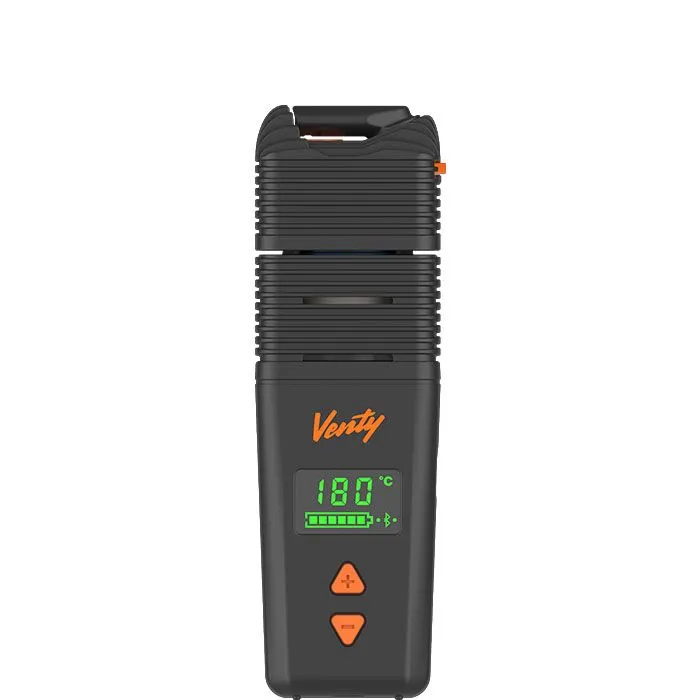
Storz & Bickel Venty
Hybrid heating, even extraction, dosing capsules
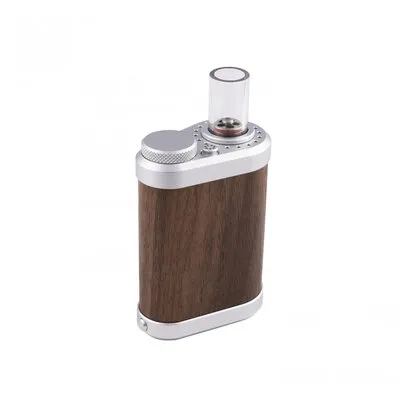
Tinymight Tinymight 2
On-demand convection, light AVB possible
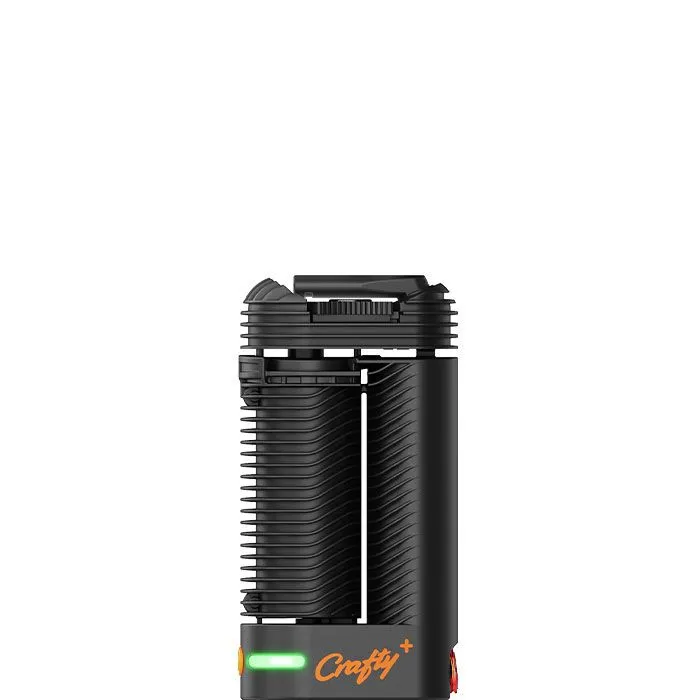
Storz & Bickel Crafty+
Balloon system, most stable temp, cleanest AVB
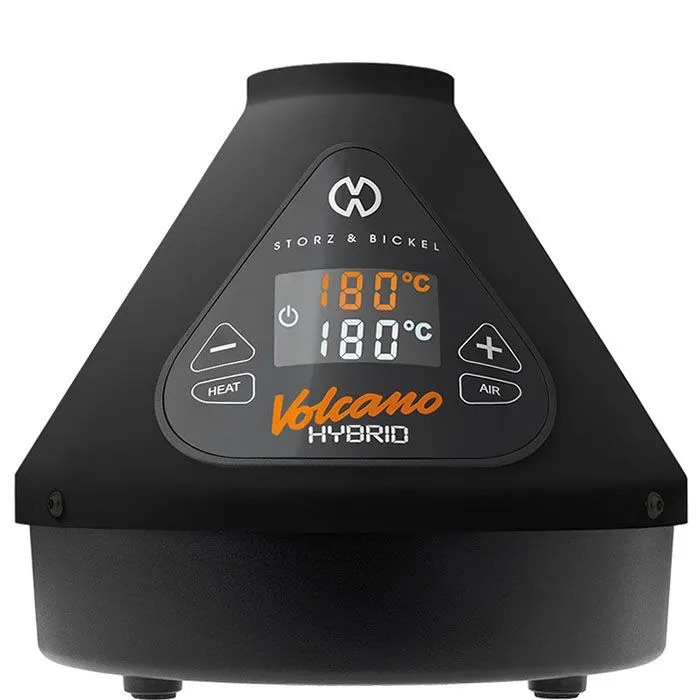
Storz & Bickel Volcano Hybrid
Convection+conduction, Super Boost, consistent
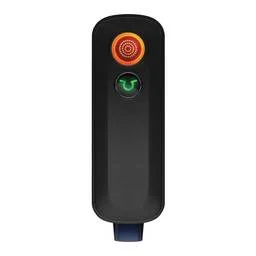
Firefly Firefly 2+
Glass vapor path, pure convection, light AVB
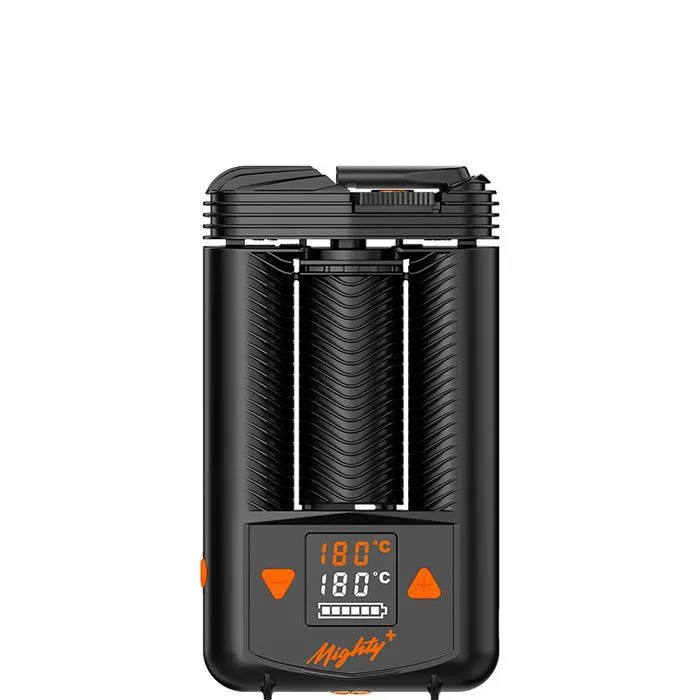
Storz & Bickel Mighty+
Budget hybrid, dosing capsules, clean chamber
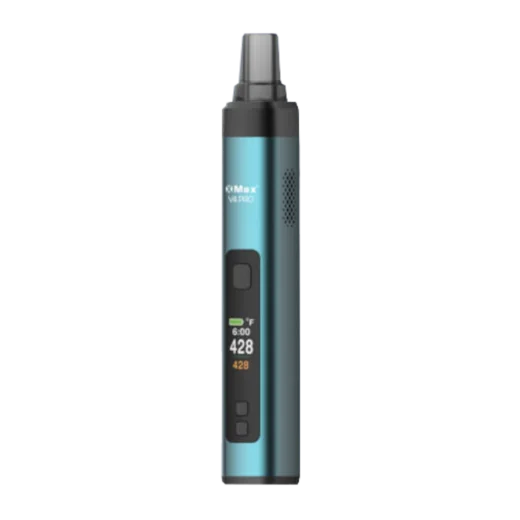
XMAX XMAX V4 Pro
Compact, hybrid heating, good chamber design
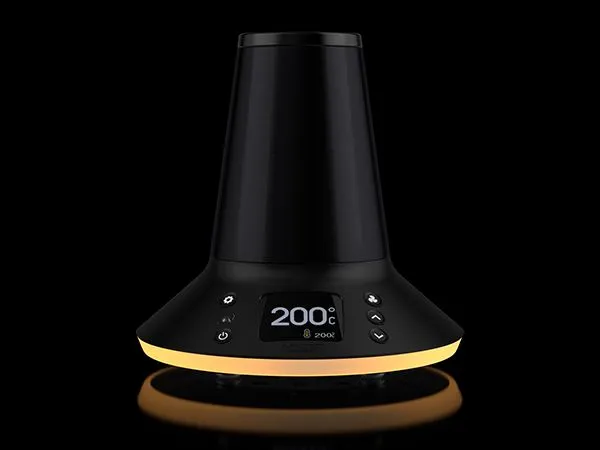
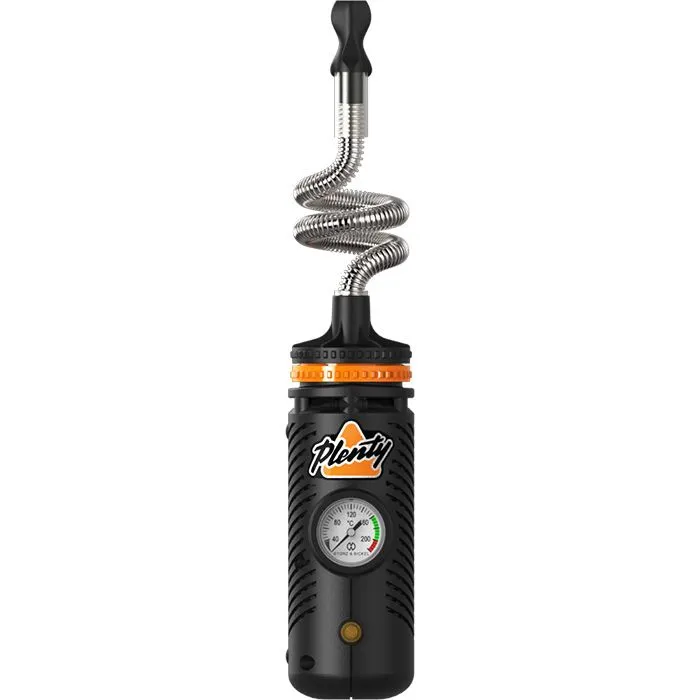
Storz & Bickel Plenty
Steel cooling path, full extraction, nice AVB
Scientific Sources
- Hazekamp, A. et al. (2006). Evaluation of a Vaporizing Device (Volcano) for the Pulmonary Administration of Tetrahydrocannabinol. Journal of Pharmaceutical Sciences, 95(6), 1308–1317. PubMed
- Lanz, C. et al. (2016). Medicinal Cannabis: In Vitro Validation of Vaporizers for the Smoke-Free Inhalation of Cannabis. PLoS ONE, 11(1), e0147286. PubMed
- Pomahacova, B. et al. (2009). Cannabis Smoke Condensate III: The Cannabinoid Content of Vaporised Cannabis sativa. Inhalation Toxicology, 21(13), 1108–1112. PubMed
- Zgair, A. et al. (2016). Dietary Fats and Pharmaceutical Lipid Excipients Increase Systemic Exposure to Orally Administered Cannabis. American Journal of Translational Research, 8(8), 3448–3459. PubMed
- Grotenhermen, F. (2003). Pharmacokinetics and Pharmacodynamics of Cannabinoids. Clinical Pharmacokinetics, 42(4), 327–360. PubMed
- Garcia-Valverde, M.T. et al. (2022). Effect of Temperature in the Degradation of Cannabinoids. Frontiers in Chemistry, 10, 1038729. Frontiers
Frequently Asked Questions
Yes — AVB is already decarboxylated by the heat of vaporizing. Active compounds absorb when eaten with any fat. Sprinkle 0.5–1 g on peanut butter toast or stir into yogurt. The earthy taste is strong; high-fat foods like Nutella mask it most effectively.
Color determines dosing. Light golden AVB (sub-185°C sessions) is most potent: 0.5–1 g is often enough. Medium-brown AVB needs 1–1.5 g. Dark brown AVB from high-temp sessions may need 2–3 g. Always start low and wait 90 minutes before deciding the dose was insufficient.
Only if flavor matters to you. Water curing removes bitter water-soluble compounds (chlorophyll, tannins) while cannabinoids stay behind since they're fat-soluble. The result tastes almost neutral, making it far better for edibles. Skip it if you're making capsules or tinctures — taste is not a factor there.
In an airtight glass jar kept away from heat and light, AVB retains most of its potency for 6–12 months. Cannabinoids degrade through oxidation and UV exposure, not through time alone. Plastic bags accelerate degradation and cause static loss of material.
Session convection devices produce the most even, predictable AVB. The Mighty+, Volcano Hybrid and Venty extract consistently across the full bowl. On-demand devices like the Tinymight 2 let you deliberately stop early for lighter, more potent AVB. Desktop vaporizers produce the most material per session due to larger chambers.
It works but the experience is rough. Most remaining compounds vaporize at higher temps than the fraction already extracted, so the smoke is harsh and tastes bad. The 5 methods in this guide are more efficient, better tasting, and waste less material.
Start with a test portion: spread a thin layer on a cracker (roughly 0.5 g butter) and wait 90 minutes. AVB butter is weaker than fresh-material butter — expect roughly 30–50% of the potency for the same amount. Keep notes on which batch you're using and your response.
Nothing — both refer to the same material. AVB (Already Vaped Bud) and ABV (Already Been Vaped) are interchangeable community terms for the plant material remaining after a vaporizer session.
Last updated: 28.03.2026