Vaporizer Vapor Quality
What Makes Good Vapor?
Vapor quality depends on several factors and is an important purchasing criterion.
Flavor
Taste depends on several factors working together. The materials in the vapor path matter a great deal: glass, ceramic, and stainless steel are flavor-neutral, while cheaper plastics can introduce off-tastes. An isolated air path prevents contact between the vapor and potentially reactive components. Lower temperatures preserve more terpenes, which translates to better flavor. The heating method also plays a role – convection vaporizers typically deliver a purer taste than conduction models because the hot air heats the material more evenly.
Vapor Density
The visibility and thickness of vapor:
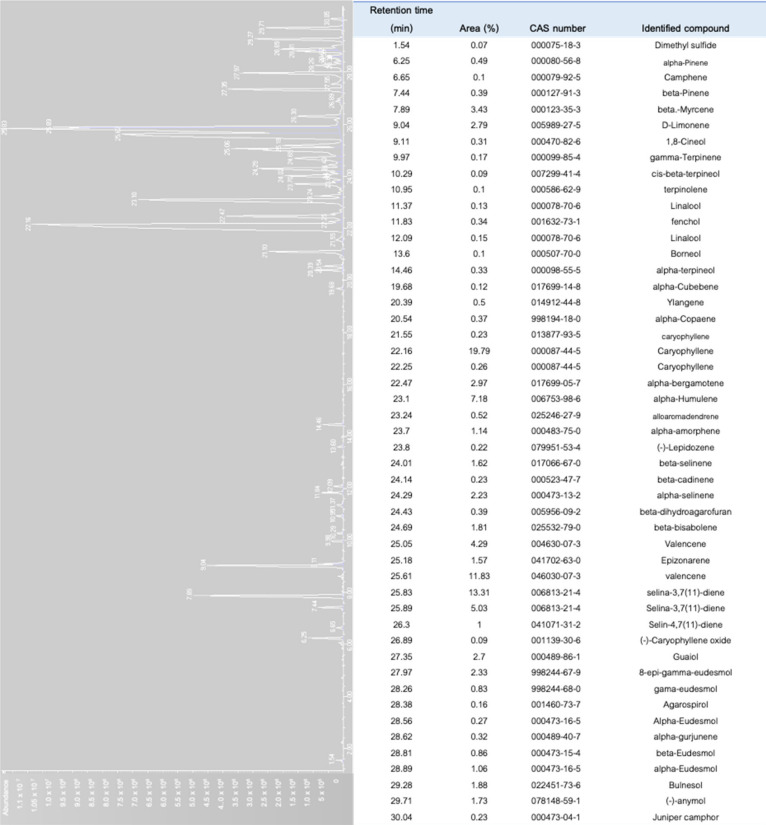
Higher temperatures produce denser, more visible vapor because more compounds are released from the material. Drawing slowly gives the heating element more time to work, resulting in thicker vapor production. Finer ground material exposes more surface area to the heat, which also increases vapor density.
Cooling
Several methods help cool the vapor before it reaches your mouth. A longer vapor path gives the heat more distance to dissipate, so the longer the path, the cooler the vapor. Dedicated cooling units like those on the Mighty and Crafty add surface area and significantly reduce vapor temperature. Water filtration through a bong with a WPA (Water Pipe Adapter) offers the most effective cooling available. Glass mouthpieces also tend to cool vapor better than plastic alternatives because glass absorbs and dissipates heat more efficiently.
Efficiency
Efficiency measures how thoroughly a vaporizer extracts compounds from the material. Complete extraction leaves evenly brown ABV (Already Been Vaped) with no green spots remaining. High-quality vaporizers manage to use 80 to 90 percent of the active compounds in the material. Inefficient devices, by contrast, often leave patches of green, unextracted material, which means wasted potential and less value per gram.
Figures
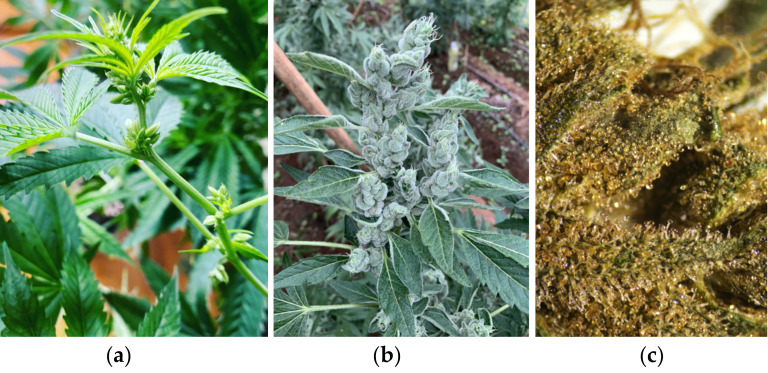
Source: Sommano et al. (2020), Molecules, CC-BY 4.0
What does the image show? This microscope image shows cannabis trichomes – the tiny resin glands that contain cannabinoids and terpenes. The mushroom-shaped glandular trichomes are where most active compounds are concentrated. Understanding trichome structure helps explain why a fine grind and proper temperatures are essential: you want to expose these glands to heat without destroying them.
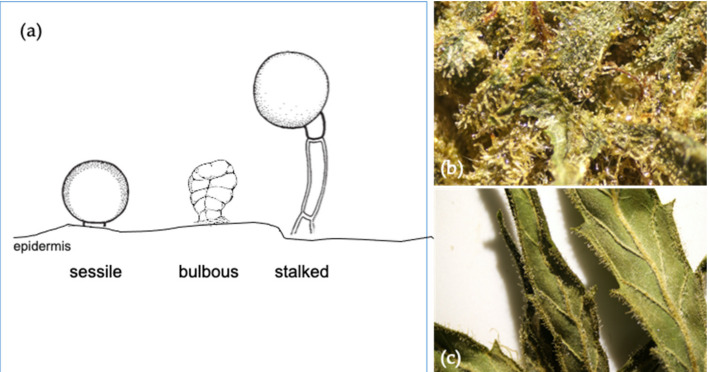
Source: Sommano et al. (2020), Molecules, CC-BY 4.0
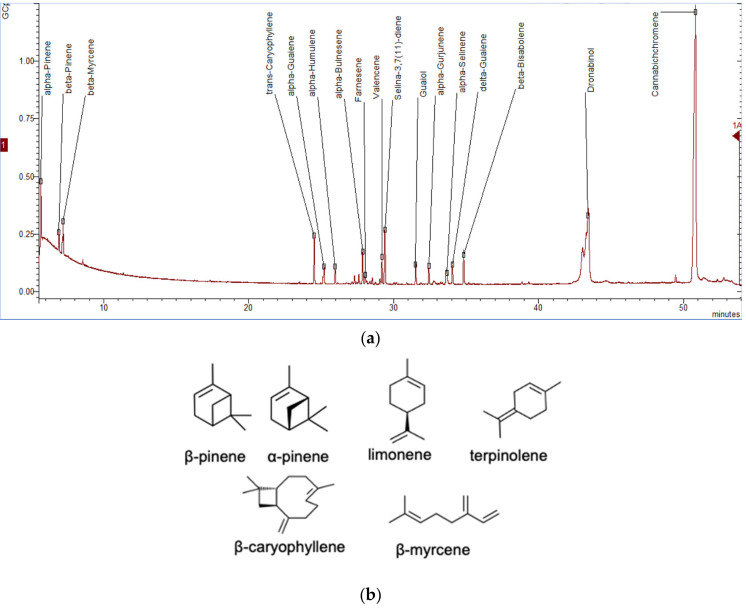
Source: Sommano et al. (2020), Molecules, CC-BY 4.0
Factors Affecting Vapor Quality
Material quality is paramount. Fresh, properly cured material with high terpene content produces the best flavor. Over-dried material tastes harsh; too moist material vaporizes inefficiently. The ideal humidity range is 55-62%.
Grind consistency affects both flavor and vapor density. Finer grinds offer more surface area but can restrict airflow in some devices. Experiment to find the optimal grind for your specific vaporizer.
Chamber packing influences vapor production. Too tight restricts airflow; too loose leads to uneven heating. Most vaporizers perform best at 70-80% capacity with a gentle pack – firm but not compressed.
Vapor Path and Cooling
Vapor path length affects temperature and smoothness. Longer paths cool the vapor more before it reaches your mouth. The Crafty+ has an elaborate cooling path that delivers comfortable vapor even at high temperatures.
Material matters in the vapor path. Glass is considered the gold standard for purity, followed by medical-grade stainless steel and ceramic. Some users report plastic or silicone parts can affect taste, especially at higher temperatures.
Water filtration can significantly improve vapor quality, especially at higher temperatures. Using a water pipe adapter (WPA) cools and humidifies the vapor. Many users find this essential for comfortable high-temperature sessions.
Material Preparation
Proper moisture content dramatically affects vapor quality. Material that’s too dry produces harsh, thin vapor. Too moist and it won’t vaporize efficiently. Humidity packs (like Boveda 62%) help maintain ideal moisture levels around 55-62%.
Freshness matters for terpene content. Older material loses volatile terpenes over time, reducing flavor complexity. Store material properly (cool, dark, airtight) to preserve quality.
The grind quality from your grinder affects vapor production. Burr-style grinders produce more consistent results than blade grinders. Avoid grinding material to powder, as this can clog screens and restrict airflow.
Draw Technique
Slow, steady draws typically produce the best vapor quality, especially with convection devices. Fast, hard draws can cool the heating element faster than it can recover, resulting in thin vapor.
Experiment with draw length and intensity on your specific device. Some vaporizers perform better with long, slow draws; others with shorter, quicker ones. Learn your device’s sweet spot.
Related Articles: Heating Methods · Vapor Path Materials · Terpenes · Best Convection Vaporizers
Frequently Asked Questions
Which vaporizer do you recommend for beginners? The Arizer Solo 2 and Crafty+ offer an excellent balance of ease of use and vapor quality. For budget-conscious beginners, the XMAX V3 Pro is a good choice with surprising quality at its price point.
How often should I clean my vaporizer? Basic cleaning after each session (brushing out the chamber) and thorough cleaning with isopropyl alcohol once a week keeps your device in top condition and ensures optimal performance.
Can I use my vaporizer on the go? Yes, portable vaporizers are designed for exactly that. Look for discrete models like the PAX 3 and always carry charged spare batteries or pre-loaded dosing capsules for convenience.
What is the ideal temperature for beginners? Start around 180°C (356°F). This temperature provides a good entry point with pleasant flavor and moderate effects. You can adjust temperature later based on preference and experience.
How long does a typical vaporizer last? High-quality devices from brands like Storz & Bickel or Arizer can last 5-10 years or longer with proper care. Less expensive models often have a lifespan of 1-3 years before issues arise.
Conclusion
Choosing the right vaporizer and accessories depends on your personal preferences and usage habits. Invest in quality – a good vaporizer makes a real difference in flavor, efficiency, and longevity. Use our price comparison tool to find the best deals on your desired device.
Optimizing Your Sessions
The first draw of a session often produces the most flavorful vapor as terpenes vaporize first. Savor these initial hits at lower temperatures before increasing for fuller extraction.
Know when your session is finished. Diminishing vapor production, darker color, and reduced flavor all indicate the material is spent. Continuing to heat exhausted material produces harsh, unpleasant vapor with no benefit.
Key Takeaways
When evaluating vaporizers and accessories, consider your primary use case. Home users benefit from desktop units or larger portables with better vapor quality. Frequent travelers need compact devices with good battery life and quick heat-up times.
Quality matters more than price when it comes to vaporizers. A well-built device from a reputable manufacturer delivers better flavor, more efficient extraction, and longer lifespan than budget alternatives. The initial investment pays off through years of reliable service.
Don’t overlook the importance of proper maintenance. Regular cleaning prevents buildup that affects flavor and airflow. Keeping screens clear and vapor paths clean ensures your device performs at its best session after session.
Finally, take time to learn your device. Understanding optimal temperatures, packing techniques, and draw methods helps you get the most from your vaporizer. Many users never experience their device’s full potential simply because they haven’t experimented with these variables.
Factors Affecting Vapor Quality
Material Quality
Moisture content should sit in the 55 to 62 percent relative humidity range – Boveda packs are a reliable way to maintain this level during storage. A medium-fine grind works best for most vaporizers, as grinding too finely can restrict airflow and cause uneven heating. Fresh material retains more terpenes, which directly translates to better flavor and aroma. Higher trichome density in the starting material leads to stronger vapor production overall.
Device Type
| Type | Vapor Density | Flavor | Cooling |
|---|---|---|---|
| Desktop | ★★★★★ | ★★★★★ | ★★★★★ |
| Premium Portable | ★★★★ | ★★★★ | ★★★ |
| Budget Portable | ★★★ | ★★★ | ★★ |
| Pen | ★★ | ★★ | ★ |
| Ball Vape | ★★★★★ | ★★★★ | ★★★★★ |
Temperature Impact
Temperature directly shapes the vaping experience. At low settings around 170°C (338°F), you get wispy vapor with the best possible flavor since terpenes are fully preserved. Medium temperatures around 190°C (374°F) strike a good balance between visible vapor production and taste. At high temperatures around 210°C (410°F), the vapor becomes dense and thick, but the flavor profile shifts as many volatile terpenes have already been released at lower temperatures.
Tips for Better Vapor Quality
Getting the packing technique right is fundamental: the material should be neither too tight nor too loose in the chamber, since air needs to flow through for proper vaporization. Draw slowly and steadily for the best results – fast, hard pulls cool the heating element and produce thinner vapor. After your device reaches the target temperature, wait another 10 to 15 seconds before your first draw to let the heat distribute evenly. With conduction vaporizers, stirring the material mid-session helps expose fresh surfaces to the heat. Finally, keep your device clean – residue buildup in the vapor path noticeably degrades flavor and vapor quality over time.
Vapor Quality by Price Range
What to Expect at Each Level
| Price Range | Typical Vapor Quality | Examples |
|---|---|---|
| Budget (<€80) | Functional but may have plastic taste, uneven heating, thin vapor | XMAX V3 Pro, Flowermate |
| Mid-range (€80-200) | Good flavor, consistent heating, decent clouds | Arizer Solo 2, POTV One |
| Premium (€200-350) | Excellent flavor, precise temp control, dense vapor | Mighty+, Crafty+, Tinymight |
| High-end (€350+) | Reference-level flavor and density, medical grade | Volcano, Flowerpot, Taroma |
Troubleshooting Poor Vapor Quality
| Problem | Likely Cause | Solution |
|---|---|---|
| Thin, wispy vapor | Temperature too low or material too dry | Increase temp by 5-10°C, rehydrate material |
| Harsh, burning taste | Temperature too high or dirty device | Lower temp, clean the vapor path |
| No visible vapor | Empty bowl, clogged airpath, or dead battery | Check material, clean screen, charge device |
| Uneven extraction | Uneven grind or poor packing | Use quality grinder, pack evenly |
| Stale taste | Old material or dirty device | Use fresh material, deep clean device |
Advanced Vapor Quality Optimization
The Science of Vapor Density
Vapor density depends on multiple factors working together:
| Factor | Impact on Density | Optimization Tip |
|---|---|---|
| Temperature | Higher = denser vapor | Step up from 180°C to 210°C through session |
| Draw speed | Slower = denser vapor | Long, steady 10-15 second draws |
| Bowl pack | Medium-tight = optimal airflow | Not too loose, not too tight |
| Material moisture | 55-62% RH = best vapor | Use Boveda packs for storage |
| Grind consistency | Medium-fine = even extraction | Quality grinder essential |
Vapor Path Cooling Solutions
Glass stems provide natural cooling while making it easy to see vapor buildup, and they are simple to clean with isopropyl alcohol. Dedicated cooling units like the Mighty and Crafty cooling unit add significant vapor path length, which drops the temperature noticeably. Water filtration remains the most effective cooling method and can be added to nearly any vaporizer through WPA adapters. Extended mouthpieces such as the Arizer long stems offer a longer path that translates directly into cooler vapor. Metal cooling approaches like the DynaVap stainless steel condenser work by absorbing heat through thermal mass, pulling warmth out of the vapor before it reaches your lips.
Session Techniques for Maximum Quality
Start by letting your device fully reach the target temperature, then wait an extra 10 to 15 seconds before inhaling. Your first draw should be slow and gentle – this lets you gauge how much vapor the device is producing. As the session progresses, try temperature stepping: increase by 5 to 10°C every two or three draws to gradually extract different compound layers. If you are using a conduction vaporizer, stir the material halfway through the session to expose fresh surfaces. You will know the session is finished when the vapor thins out noticeably and takes on a slightly toasted or burnt taste – at that point, continuing offers diminishing returns.
Device-Specific Quality Tips
Portable Vaporizers
| Device | Best Practice | Common Mistake |
|---|---|---|
| Mighty+/Crafty+ | Use dosing capsules for consistent results | Overpacking the chamber |
| PAX Plus | Half-pack lid for smaller loads | Grinding too fine |
| Arizer Solo 2 | Loose pack in glass stem | Packing too tight blocks airflow |
| DynaVap | Respect the click, heat low on cap | Overheating past click |
| Tinymight 2 | On-demand mode for flavor | Drawing too hard |
Scientific Sources
- LaVigne, J. E. et al. (2021). Cannabis sativa terpenes are cannabimimetic and selectively enhance cannabinoid activity. Scientific Reports. PubMed
- Sommano, S. R. et al. (2020). The Cannabis Terpenes. Molecules. PubMed
- Raz, N. et al. (2021). Analgesic Potential of Terpenes Derived from Cannabis sativa. Pharmacology and Therapeutics. PubMed
- Mighty+ vs Volcano Hybrid: Portable or Desktop?
- Arizer Solo 3 vs Crafty+: Which Is Better?
- TinyMight 2 vs Venty: On-Demand or Session?
- DynaVap M7 vs XMAX V3 Pro
- Crafty+ vs Venty
- PAX Plus vs Mighty+: Budget or Premium?
- Volcano Classic vs Hybrid: Analog or Digital?
- Arizer Air Max vs Solo 3: Which Arizer?
- PAX Plus vs Venty: Budget or Premium?
- Crafty+ vs PAX Plus: Which Is Worth More?
- Arizer Solo 3 vs Venty: Glass or Comfort?