The Complete Guide: Dry Herb vs Concentrates
When it comes to vaporizers, a common question arises: Dry herbs or concentrates? Both methods have their pros and cons. This guide explains the differences and helps you decide.
What are Dry Herbs?
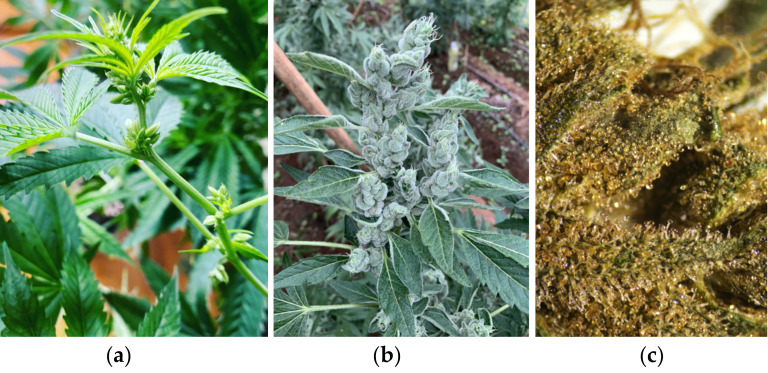
Dry herbs refers to dried plant material in its natural form. For cannabis, these are the dried flowers with all natural cannabinoids, terpenes, and flavonoids. THC content typically ranges from 15-30%.
Advantages of Dry Herbs
The biggest advantage of dry herbs is the full-spectrum experience: all natural plant compounds remain intact, allowing terpenes and cannabinoids to work synergistically – a phenomenon known as the entourage effect. Dosing is straightforward since the amount in the chamber is easy to control. Compared to concentrates, the entry cost is lower because plant material tends to be more affordable, and many users particularly value the authentic, natural taste.
Disadvantages of Dry Herbs
On the downside, dry herb vaporizers require more frequent cleaning, and the herb chambers are larger than those on concentrate devices. Vaporizing produces a stronger odor that is less discreet, and the material needs to be kept fresh and stored properly to maintain its quality.
What are Concentrates?
Concentrates are extracted forms with higher active compound concentration. These include waxes, oils, shatter, rosin, and live resin. THC content can reach 60-90%.
Types of Concentrates
| Type | Consistency | Production | THC Content |
|---|---|---|---|
| Wax | Waxy | BHO extraction | 60-80% |
| Shatter | Glass-like, brittle | BHO extraction | 70-90% |
| Rosin | Sticky | Heat + pressure | 50-70% |
| Live Resin | Syrupy | Cryogenic extraction | 65-95% |
| Distillate | Oily | Distillation | 85-99% |
Advantages of Concentrates
Concentrates stand out for their higher potency: stronger effects are achieved with significantly less material, making them more discreet as well – smaller amounts and reduced odor. Gram for gram, concentrates deliver more active compound than dry herbs, producing cleaner vapor with less plant material. When stored correctly, they also enjoy a longer shelf life.
Disadvantages of Concentrates
However, regular concentrate use leads to faster tolerance build-up. You will need special devices or additional attachments, and the upfront costs run higher. The full terpene spectrum is partially lost during extraction (live resin being the exception), and handling concentrates takes a bit of practice.
Devices Compared
Dry Herb Vaporizers
Classic vaporizers with herb chambers. Temperature ranges from 160-230°C. Examples: Mighty+, Crafty+, Arizer Solo 2, PAX 3, DynaVap.
Concentrate Vaporizers
Specialized devices with quartz chambers or ceramic wicks. Higher temperatures of 200-400°C. Examples: Puffco Peak, Dr. Dabber, Kandypens.
Hybrid Devices
Some vaporizers can do both: With interchangeable chambers or concentrate pads. Examples: PAX 3 (with concentrate insert), Mighty+ (with dosing capsule pad).
Cost Comparison
| Aspect | Dry Herb | Concentrates |
|---|---|---|
| Entry-level device | $50-150 | $80-200 |
| Premium device | $200-400 | $300-500 |
| Material per gram | $8-15 | $30-80 |
| Sessions per gram | 3-5 | 15-30 |
| Accessories | Grinder, storage | Dab tools, containers |
Which is Better for You?
Choose Dry Herb if you:
Dry herbs are the better fit if you want to experience the full plant spectrum and value natural taste above all. Beginners will find this method straightforward, and it offers good value for money. Microdosing is also easier with dry herbs because the amount per session is simple to adjust.
Choose Concentrates if you:
Concentrates are the way to go if you seek maximum effects and already have vaporizing experience. Those who need discretion and want less cleaning effort will also benefit – the trade-off is a willingness to invest more in both device and material.
The Science Behind It
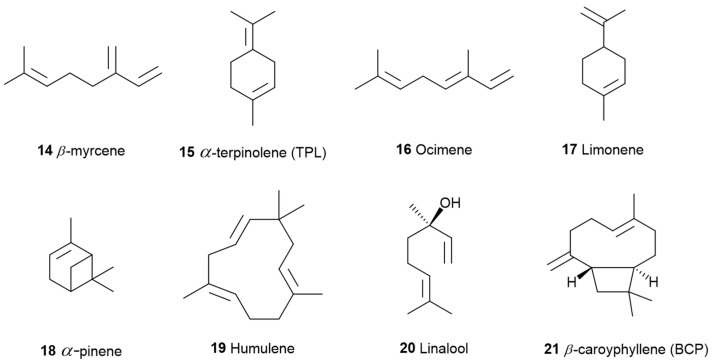
When vaporizing dry herbs, the active compounds are released directly from the plant matrix. This process preserves the natural ratio of cannabinoids, terpenes, and flavonoids – known as the entourage effect.
Concentrates undergo an extraction process that isolates and concentrates the active compounds. Depending on the method (CO2, butane, rosin), the resulting product varies in purity, terpene content, and consistency.
Bioavailability also differs: While dry herbs allow for gradual release of compounds, concentrates deliver faster, more intense absorption due to higher compound concentration.
Health Considerations
From a health perspective, both methods offer advantages over smoking since no combustion occurs. Dry herb vaporizers produce no smoke at correct temperatures, only pure plant vapor.
With concentrates, product quality and purity are crucial. Professionally manufactured concentrates are free from solvent residues. However, homemade or low-quality products may contain contaminants.
Tolerance development is faster with concentrates due to higher potency. Many experienced users therefore regularly switch between both methods or use dry herbs as their primary method.
Extraction Methods in Detail
Understanding different extraction methods helps in choosing the right concentrate. CO2 extraction is considered the cleanest method and is frequently used for medical products. It requires special equipment and expertise.
Butane Hash Oil (BHO) is a common method that delivers effective results but requires care in production. Unprofessionally made BHO can contain dangerous solvent residues.
Rosin extraction uses only heat and pressure, without solvents. This method can even be performed at home with a rosin press and delivers a clean, terpene-rich product.
Storage and Shelf Life
Proper storage is crucial for both methods. Dry herbs should be kept in airtight containers at cool room temperature. Too much moisture leads to mold, too little dries out the material and reduces quality.
Concentrates require special storage. Silicone containers are suitable for most consistencies, while glass-like concentrates like shatter should be wrapped in parchment paper. Refrigerator temperatures are ideal for longer storage.
Combining Both Methods
Many experienced users combine both methods for different situations. Dry herbs are excellent for extended sessions at home, while concentrates are more practical when on the go or when discretion is needed.
Some vaporizers allow so-called “sandwich loading,” where a concentrate is placed between two layers of dry herb. This combines the benefits of both methods in one session.
Conclusion
Both methods have their merits. Dry herb offers a more authentic, natural experience with the full entourage effect. Concentrates deliver maximum potency and discretion. Many experienced users own devices for both variants and choose based on the situation.
Frequently Asked Questions
Can I reuse Already Vaped Bud (AVB)?
Yes, AVB still contains active compounds and can be reused for various purposes. The most common method is making edibles or butter. Since the compounds are already decarboxylated, AVB can be added directly to food. The effect is milder and more body-focused than fresh material.
How do I recognize high-quality concentrates?
High-quality concentrates have a clear, uniform color and a pronounced terpene profile. Shatter should be transparent and golden, wax should have an even consistency. Avoid products with dark coloring, unusual smell, or visible contaminants. Only buy from trusted sources with lab analyses.
Which method is more cost-effective long-term?
Cost-effectiveness depends on various factors. Dry herbs have lower material costs per gram, but concentrates deliver more active compound per gram. For occasional users, dry herbs are often more economical. Intensive users can benefit from the efficiency of concentrates.
Scientific Sources
- Raber, J. C. et al. (2015). Understanding Dabs: Contamination Concerns of Cannabis Concentrates and Cannabinoid Transfer During the Act of Dabbing. Journal of Toxicological Sciences, 40(6), 797–803. PubMed 26558460
- Loflin, M. & Earleywine, M. (2014). A New Method of Cannabis Ingestion: The Dangers of Dabs? Addictive Behaviors, 39(10), 1430–1433. PubMed 24930049
- Sommano, S. R. et al. (2020). The Cannabis Terpenes. Molecules, 25(24), 5792. DOI
Testing and comparing vaporizers at VapoChecker since 2020. 800+ devices, 274 shops, 51 countries.